
About Us
About The Recovery Lane
Our mission is to help recovery become sustainable by providing continuity—so recovery doesn’t collapse when the system steps back.
Who We Are
We support individuals and families across the full continuum of recovery—beginning in moments of crisis, assisting with informed decisions around detox, inpatient, and outpatient care when appropriate, and continuing beyond discharge, when formal structure recedes and long-term recovery must be integrated into daily life.
Our work is not focused on sobriety alone.
It is focused on integration.
We are a high-touch recovery integration and concierge support team providing continuity for individuals navigating addiction and co-occurring mental health challenges, and for families seeking stability, clarity, and sustained outcomes.
For families, we provide guidance, relief, and informed support.
For treatment providers, we provide continuity of care beyond program completion.
For clients, we provide a structured bridge—from treatment into life, responsibility, and long-term stability.
“The Recovery Lane exists in the space most recovery systems do not reach.”
What We Do
We provide recovery integration and concierge-level support for individuals and families navigating addiction and complex mental health challenges.
We help stabilize situations, coordinate care, and integrate recovery into daily life—especially during crisis, transition, and after formal treatment—so support continues beyond programs and into real-world living.
Our Mission
Our mission is to help recovery become sustainable by providing continuity—meeting the individual where they are and providing solutions that they can personally relate to.
We remain deeply client-centered, supporting individuals and families long after formal treatment ends, ensuring each person is seen, supported, and held at the center of the care we design so healing can truly take root in real life.
About the Founder
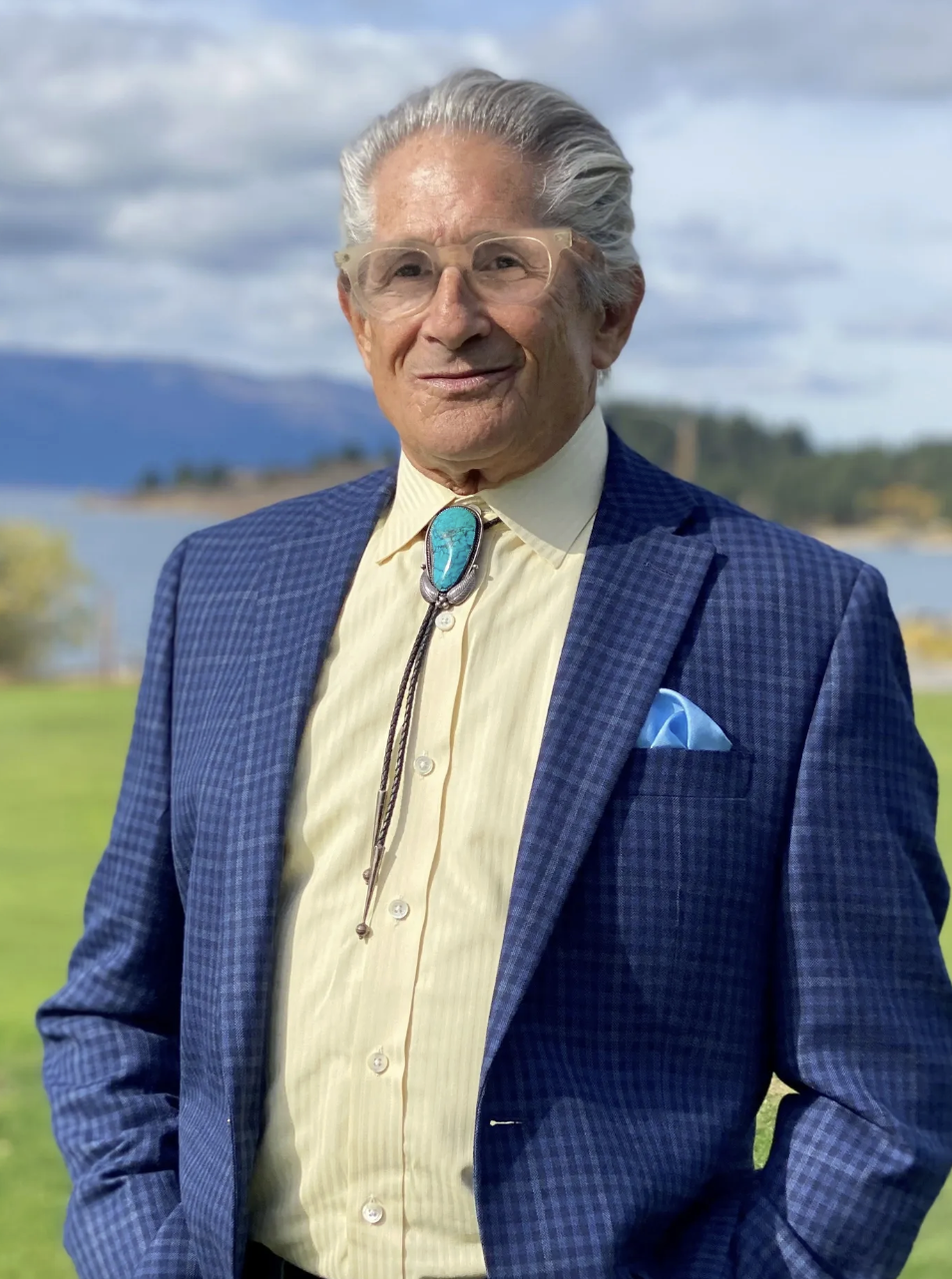
Ira Lane
Ira Lane earned his Bachelor of Science degree from San Diego State University and is a California State Certified Alcohol and Drug Counselor (CADC). Now in his twentieth year of personal recovery, Ira has dedicated his life and career to serving individuals and families navigating addiction and complex mental health challenges.
Over the past eighteen years, Ira has worked across nearly every level of the recovery continuum. His experience includes roles as a Crisis Interventionist, Director of Operations, Program Director, Case Manager, Alumni Coordinator, and Director of Marketing and Business Development. He has also worked extensively as a Recovery Coach and Sober Companion, supporting individuals through stabilization, transition, and long-term reintegration into daily life.
Ira’s work is deeply personal. His own journey through recovery informs a compassionate, grounded approach to care—one rooted in presence, accountability, and respect for the individual. He assumes it is a privilege to walk alongside people during some of the most vulnerable moments of their lives. Ira is committed to helping individuals develop the tools, life skills, and self-confidence needed to create lasting change and move toward long-term recovery with dignity and stability.
Outside of his professional work, Ira enjoys golfing, skiing, hiking, and spending time with family and friends. He has been involved in competitive sports throughout his life and, in 1977, earned a Bronze Medal as a member of the United States Volleyball Team at the Maccabiah Games in Israel.
Interventionist • CADC • Founder
Who We Are

We’re a life coaching practice rooted in the belief that real change begins with clarity, self-awareness, and support. Our mission is to help individuals move beyond doubt, overwhelm, and uncertainty — and into lives that feel purposeful, confident, and aligned.
Whether you’re navigating a major life transition, seeking deeper fulfillment, or simply ready to reconnect with yourself, our coaching process is designed to meet you where you are. Through honest conversations, proven tools, and compassionate guidance, we help you uncover your goals, shift your mindset, and take meaningful action.
We’re not here to tell you who to be — we’re here to walk beside you as you become the version of yourself you’ve always known was possible.
Meet Our Team
Natali has lived in Los Angeles for the last 8 years, where she has planted roots in the treatment community. She received her Masters in Clinical Psychology from Antioch University where she specialized in addiction and recovery. She has 10 years of experience working in the healthcare field, with a focus on helping the wellbeing of those who are struggling with their mental health. She has a background working in residential rehabilitation centers, where she provided counseling, outreach, business development, and alumni services, and facilitated the continuation of care for clients. She has provided counseling in mental health programs, schools, clinics, and private practice. She is passionate about working with adolescents and adults who struggle with substance use, recovery, anxiety, their family environment, and coming-of-age difficulties. Natali is passionate about outreach and ensuring clients have access to the resources they need. Natali is dedicated to building strong connections and partnerships with treatment professionals. Her mission is to help individuals in need by identifying and providing access to essential mental health and addiction support resources within the community.

Stephanie Love is a transformative life and career coach who helps people overcome limitations, reconnect with themselves, and build lives that feel genuinely fulfilling. With a master’s degree in finance, a CPA, and over a decade of experience in Human Resources, recruiting, and executive coaching, she brings a rare blend of business acumen and deep understanding of human behavior to her work. After walking away from a traditional finance career and rebuilding her life from scratch in California, Stephanie discovered her true calling: helping people move from “soul-aching” dissatisfaction to lives rooted in freedom, honesty, and purpose. Stephanie has over five years of sobriety and is deeply engaged in her own and others’ recovery. Her lived experience in recovery, combined with her coaching background, allows her to hold a compassionate, nonjudgmental space for those seeking healing from addiction and other life challenges. She is committed to helping others discover the same beautiful gift she’s found in sobriety: a life of clarity, connection, and choice.

Taylor Huff is a certified wellness coach, personal trainer, and sober companion dedicated to helping individuals build healthier, more fulfilling lives. With nearly a decade of sobriety and active involvement in Alcoholics Anonymous. Taylor’s work is grounded in empathy, resilience, and lived experience. In 2024, Taylor transitioned into sober companionship, blending wellness and fitness expertise with a trauma-informed approach to supporting individuals in sobriety and mental health recovery. Her training in trauma-informed care enables them to provide personalized, compassionate support that meets clients where they are. Emphasizing holistic wellness, Taylor integrates physical health, mental clarity, and emotional resilience, while staying current with evolving health and wellness practices. Passionate about empowering others to embrace change and sustainable growth, she leads by example and inspires clients to create meaningful, lasting change.

Zoe is a treatment professional in her fourth year of sobriety with experience in women’s sober living, mentoring, adolescent transportation, companioning, and life and job coaching. Her own recovery journey fuels her passion for one-on-one support, where she believes she can make the greatest impact. She has worked with clients experiencing a wide range of mental health and substance use challenges and is especially skilled in crisis management, offering calm, steady support in high-pressure situations. Outside of work, Zoe focuses on balance and self-care through bodybuilding, fashion design, time with her dog, and spiritual practices. The Serenity Prayer guides her approach—accepting what she cannot change, acting where she can, and staying grounded in the present.
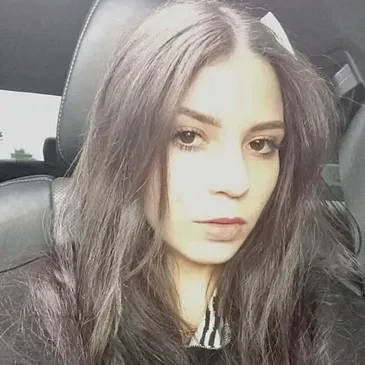
Amanda has worked in the field for over 10 years. She has been a Case Manager, Recovery Technician, Sober Companion, and a Program Director for transitional living homes. She has a passion for helping others and utilizes her life's experiences to do so, in a kind and compassionate way.

AG integrates recovery and wellness to support lasting transformation. Born and raised in Southern California and a first-generation Filipino American, she brings a grounded, compassionate presence to her work. With a B.S. in Business Administration and over a decade of experience in the art industry, AG understands how to balance high-pressure demands with emotional and spiritual well-being. She believes that healing is about building a meaningful life rooted in clarity, connection, and hope. Outside of her work, AG finds renewal in the outdoors, where she reconnects with the peace and perspective that guide her approach to recovery.

Janiva is a seasoned recovery specialist and trauma-informed advocate with years of continuous sobriety. Her personal history encompasses recovery from substance use disorder, eating disorders. Professionally, she has provided support to high-risk populations with dual-diagnosis and complex mental health needs

Diana is very passionate about helping people find their path to recovery from addiction has been a labor of love for the last 25 years. Diana has experience working around the world helping others. She also enjoys outdoor activities, including surfing, skiing, and snowboarding in her free-time.
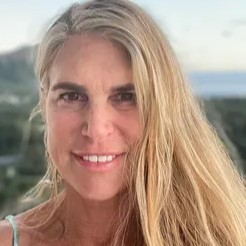
Marc is a driven Case Manager/Sober Companion with over 27 years of sobriety. His hallmarks include adaptability, collaborative management skills and a balanced approach to meeting clients needs, while facilitating treatment team goals. He uses his personal experiences to show others the way of better life.

With years in recovery, Kal Holczler has worked alongside individuals facing addiction and complex mental health challenges in the U.S. and abroad. He brings a grounded, attentive presence to recovery-oriented care, particularly during periods that require heightened sensitivity, trust, and consistency. Kal is guided by the belief that people can heal when supported by structure, safety, and attuned care. He emphasizes individualized support and collaboration with broader care teams to reinforce stability, accountability, and long-term recovery.

Eric is a personal recovery coach with over 31 years of personal recovery and a wealth of experience in physical, emotional and spiritual sobriety. A certified recovery specialist, Eric experience working with business professionals, actors and adolescents, make him uniquely qualified in all areas of recovery. Parent of a young adult on the special needs spectrum and in a loving relationship with a strong sober women. Eric's interests include bike riding, golf and beach volleyball.

Ricky Crawford is a certified recovery coach based in Burbank, California, specializing in addiction recovery and mental health support. With 26 years of sobriety, he helps clients achieve personal goals and build healthy relationships. Originally from Belfast, Northern Ireland, Ricky now resides in the U.S., where he’s committed to guiding others toward a fulfilling life in recovery through tailored recovery plans and strong support.

Bobby has extensive experience in the field of recovery, and specializes in Nutrition Coaching and Integrative Health. He has been working as a Sober Companion which is where his passion lies. Bobby was formerly a New York City Firefighter and is a five time triathlete. He has also worked in the Entertainment Business for over 30 years.
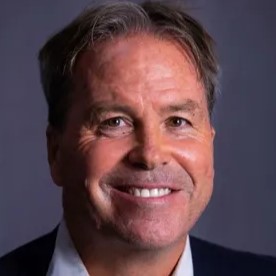
Craig is a dedicated sober coach and mentor with personal sobriety and professional experience in the recovery field. After turning his own life around, Craig found purpose in guiding others through their own paths to healing and transformation. Craig has worked in various roles within addiction treatment, most recently as a Program Director, where he helped shape and implement comprehensive recovery programs. His approach is rooted in empathy, accountability, and lived experience — offering clients real-world guidance from someone who truly understands the journey. He isCPR/BLS certified, an AR-C1 Certified Recovery Coach and Navy Veteran.

Timothy has been working in the recovery community for over 13 years, specializing as a sober companion and recovery coach. He has extensive experience helping people with anxiety, depression, and suicidal ideation. Timothy is also an accomplished musician

Paul is a compassionate individual with an unwavering commitment and personal experiences as a USMC veteran to his role as a sober coach. With a BA degree in Psychology and personal experience of recovery, he understands the challenges faced by individuals battling addiction. Paul serves as a beacon of hope to helping others navigate their journey towards sobriety.

Testimonials
Highly Trusted by Clients
FAQs
Frequently Asked Questions
What does The Recovery Lane actually do?
The Recovery Lane helps individuals and families navigate addiction and complex mental health challenges at any point in the recovery journey. We provide hands-on support to stabilize situations, coordinate care, and help recovery translate into real daily life—especially during crisis, transition, and after treatment ends.
What kind of support do you provide day to day?
Support can include care coordination, medication oversight, companion support, routine-building, fitness and nutrition guidance, organizing daily life, attending meetings, rebuilding relationships, and helping clients re-enter the world with support instead of pressure. Every plan is individualized.
Can you help if our family is in crisis right now?
Yes. Families often reach out when life feels unmanageable and fear is high. We help slow things down, assess what’s needed, and guide next steps—whether that means immediate stabilization, placement into a psychiatric or inpatient setting, or building support in real time.
How are you different from a treatment center or therapist?
We don’t replace treatment or clinical care. We stay involved across gaps—before, during, and after formal programs—so recovery doesn’t collapse when structured environments end. Our role is coordination, advocacy, integration, and ongoing presence in real life.
Do you only work with people after treatment or rehab?
No. Many families come to us before treatment, when they don’t know what kind of help is needed or where to start. Others come during treatment, at discharge, or long after formal programs end. We meet people where they are and help determine the right next step
Do you replace clinical teams or case management?
No. We work alongside clinicians, treatment centers, and providers. Our role is to coordinate, support, and integrate care into daily living—complementing, not duplicating, clinical services.
When do you typically get involved with a client?
We may be involved pre-admission, during treatment, at discharge, or post-treatment. Some clients are referred by institutions; others come to us first. When institutions are part of the path, we stay engaged throughout to reduce fragmentation.
What outcomes does The Recovery Lane focus on?
We ask for 24-hour notice for any rescheduling. Missed or late-cancelled sessions may be charged depending on your plan.
How does The Recovery Lane fit into the continuum of care?
The Recovery Lane extends care beyond institutional settings by providing real-world recovery integration and long-term support. We help ensure continuity before admission, during treatment, and after discharge—bridging treatment into daily life.
How do you support families during treatment and discharge planning?
We work closely with families to help them understand what’s happening, communicate effectively, and support recovery without burnout. We often serve as a steady point of contact during transitions, ensuring clarity, alignment, and follow-through after discharge.
Let's Get You On The Right Path
COMPANY
SUPPORT
LEGAL
FOLLOW US

